
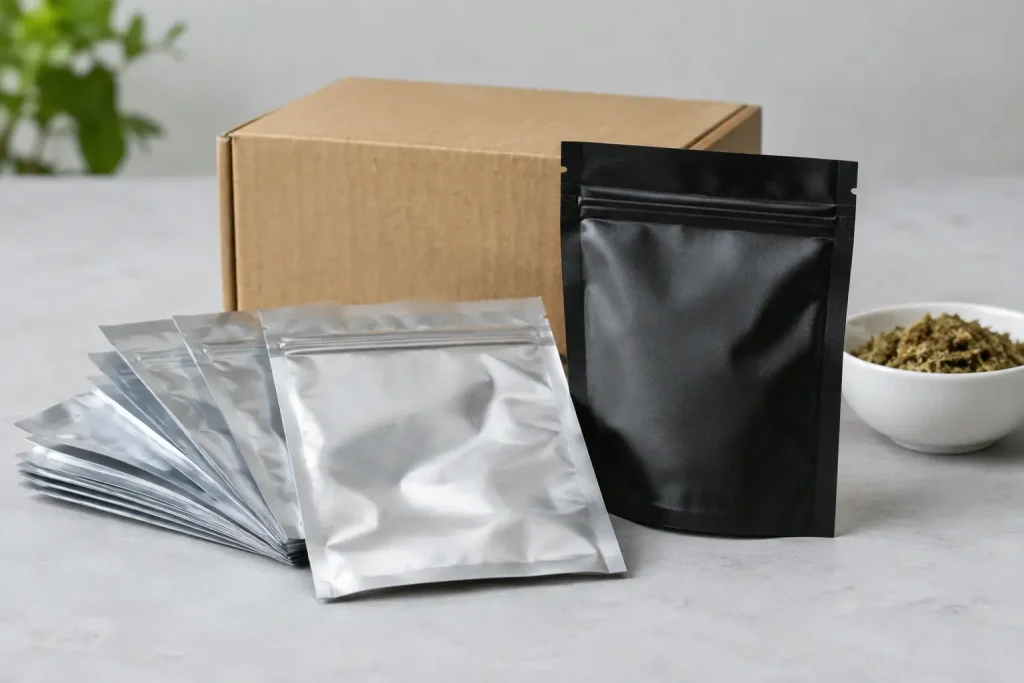
A 25-count box can look retail-ready and still create a serious compliance problem. For 25 x Legal High K2 Papers packaging requirements, the starting point is not the artwork, foil color, or a discreet outer mailer. It is whether the contents can be lawfully identified, handled, labeled, and transported in every jurisdiction where they may be offered.
The term “legal high” is especially risky on packaging. A product name, a previous customer experience, or a supplier claim does not establish legal status. Synthetic cannabinoid compounds and similarly marketed paper products may be controlled, restricted, misbranded, or otherwise prohibited under federal, state, local, or international rules. Packaging cannot turn a prohibited substance into a lawful retail item.
Start With the Actual Product Classification
Before approving a 25-pack carton, identify precisely what is on or in the paper. That means retaining verified information on every ingredient, the concentration or loading method where applicable, the paper substrate, inks, coatings, adhesives, and any added fragrance or botanical material. Vague descriptions such as “premium blend” or “strong formula” are not a substitute for an accurate product record.
Classification determines the rest of the packaging decision. A product could trigger controlled-substance concerns, poison-prevention obligations, consumer-product rules, chemical hazard communication requirements, or shipping restrictions. The applicable rule set depends on the formula, intended use, claims, destination, and local law. A retailer should not rely on generic packaging copied from an unrelated product.
For a 25-sheet configuration, maintain a batch file that ties the finished pack to its source materials and production date. At minimum, that file should contain supplier records, certificates or lab documentation where lawful and relevant, lot numbers, packaging specifications, and a documented review of the markets where the product is offered. If the formula changes, the packaging review needs to start again.
25 x Legal High K2 Papers Packaging Requirements for Labels
The primary retail container should identify what the buyer is receiving without misleading claims. A clear product label generally needs the product identity, net quantity or count, responsible business name and contact information, batch or lot identifier, and any required warnings. “25 papers” should be easy to find and should not be confused with weight, dosage, or a claim about effects.
Avoid language that presents an unverified safety or legality claim. Statements such as “legal everywhere,” “safe,” “non-toxic,” “approved,” “for human consumption,” or “undetectable” can create major regulatory and consumer-protection exposure. Packaging should also avoid medical, therapeutic, intoxicating, or performance claims unless those claims are lawful, substantiated, and reviewed by qualified counsel.
If the product is lawfully sold only for a defined non-consumer purpose, the label must not undermine that position through contradictory branding or instructions. Regulators evaluate the full context – product presentation, marketing, buyer communications, stated use, and distribution pattern – not merely one disclaimer in small print.
Warnings must be readable, durable, and placed where a customer can see them before opening the pack. Required wording varies by product classification and destination. Do not assume that a warning used on an herbal incense pouch is adequate for treated paper, a chemical mixture, or a product that may be accessible to minors.
Count, Traceability, and Tamper Evidence
A 25-count product needs consistent unit control. The inner packet, outer carton, and fulfillment record should agree on the count, product variant, and lot number. That creates a practical trail if a customer reports missing units, damage, a labeling concern, or an adverse incident.
Tamper-evident features are worth considering where permitted and appropriate. A sealed pouch, shrink band, tear strip, or other visible indication of opening can protect product integrity and reduce disputes. The feature should be functional, not decorative. If a seal can be opened and restored without visible evidence, it provides little real protection.
Child Safety Is Not Optional
Products with potentially harmful chemical exposure require careful child-access assessment. Depending on the substance and intended household availability, child-resistant packaging may be required under applicable law. Even where it is not expressly mandated, a standard paper envelope or easy-open sleeve may be a poor safety choice if accidental contact, mouthing, or ingestion is foreseeable.
Child-resistant packaging is not the same as difficult packaging. A compliant system must be tested to the applicable standard and still allow normal adult access. Reusing a cap, pouch, or closure from another item without validation is not a reliable approach. The full finished package matters, including whether a child can reach the papers after opening an outer carton.
Keep the product in a package that protects it from moisture, transfer, tearing, and accidental contact. For treated paper, migration and cross-contamination are central concerns. The selected pouch or barrier material should be compatible with the product and should not degrade, bleed ink, or transfer material under expected storage conditions.
Shipping Packaging Must Be Accurate, Not Merely Discreet
Privacy matters to adult customers, but privacy does not mean concealment. An outer shipper may be plain and protective while still carrying every carrier, customs, hazardous-material, and return-address detail required by law. Removing or disguising mandatory information can create far greater risk than a clearly documented shipment.
Before shipping a 25-pack, review the carrier’s current conditions and the destination’s import rules. Some substances, chemical mixtures, aerosols, liquids, and treated materials may face restrictions that differ between ground, air, domestic, and international transport. International orders require special care because destination rules can be stricter than the seller’s local rules.
Use packaging sized to prevent crushing and unintentional opening in transit. The inner unit should remain sealed, while the outer box or mailer should provide reasonable protection against punctures and weather. If a product is classified for transport as hazardous or otherwise regulated, use the required packaging, markings, declarations, and trained handling procedures. Never substitute a generic “discreet” label for a shipping compliance review.
Keep Claims, Packaging, and Customer Support Aligned
A polished box creates trust only when the information behind it is dependable. If customer support cannot verify a lot number, explain the product identity, or handle a damaged-package report, the packaging program is incomplete. Support staff should know when to escalate safety complaints, suspected tampering, and legal questions rather than improvise an answer.
Retailers and distributors should also establish a written process for recalls, withdrawals, and stop-sale decisions. It should explain how affected lots are identified, how inventory is quarantined, how customers are contacted when required, and how records are retained. The process does not need to be complicated, but it needs to exist before a problem appears.
Packaging artwork deserves a final legal and quality review before printing. Check every panel, insert, warning, count statement, barcode, lot field, and claim against the current formula and the intended market. A small wording change can have a large consequence when it suggests a use, safety profile, or legal status the business cannot support.
The strongest 25-pack is not the one with the loudest design or the most aggressive promise. It is the one that gives adult buyers accurate information, protects against preventable exposure, preserves traceability, and never asks packaging to hide a legal or safety problem.