
A colorful pouch and a bold name can tell you almost nothing about what is actually inside. With herbal incense, the details that matter are rarely the loudest ones on the package: ingredient transparency, proper sealing, batch information, storage conditions, and whether the seller makes claims that can be checked.
For adult shoppers, this is not a category for guesswork. Some products are straightforward botanical incense blends intended for fragrance, while others may contain substances with unclear identity, unpredictable effects, or serious legal and health concerns. A premium-looking label is not proof of quality. Clear information, responsible handling, and a willingness to walk away from vague products are far better signs.
Herbal Incense Is a Broad Product Category
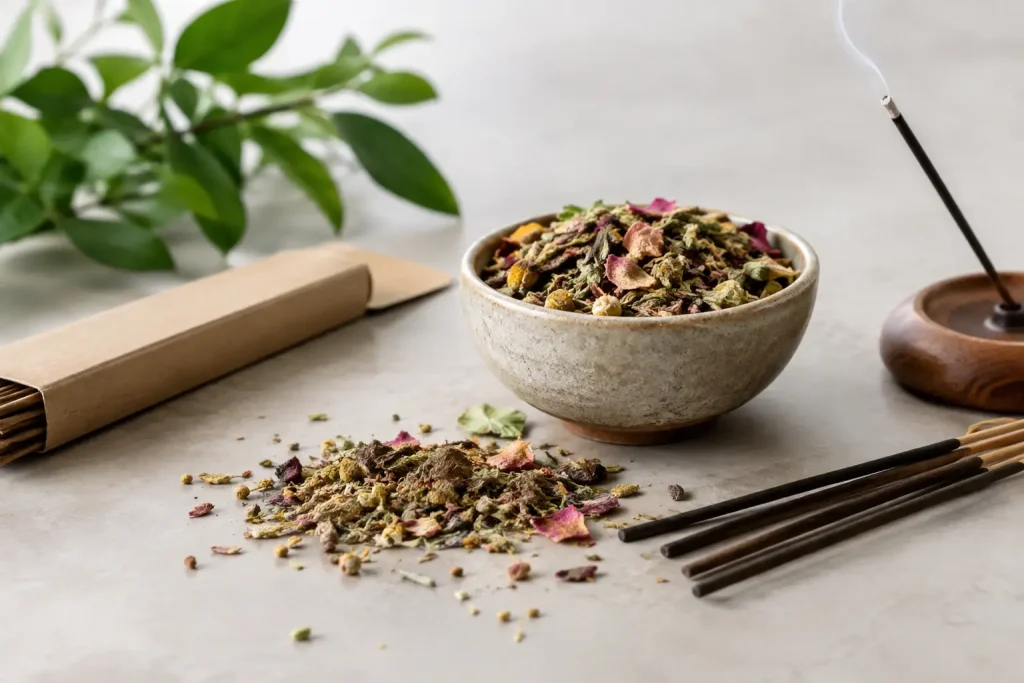
The phrase “herbal incense” can describe many different products. Traditional forms may use dried flowers, resins, woods, leaves, and aromatic herbs. These products are generally sold for scent, rituals, or home atmosphere. Their quality is usually judged by freshness, aroma, cleanliness, and the absence of mold, moisture, or mystery fillers.
The term is also used on products that are marketed with unusual branding, phrases such as “not for human consumption,” or claims about intensity and potency. That is where shoppers need to be especially careful. A label may not fully identify the active substances, and the plant material itself may only be a carrier. Packaging language does not change what a product contains or make it safe.
Treat every product according to what can be verified, not what the marketing suggests. If the ingredients, intended purpose, or origin are unclear, that uncertainty is itself useful information.
What Quality Claims Should Actually Tell You
Words like premium, fresh, authentic, lab-tested, and high quality are common in this market. They can be meaningful, but only when a seller provides substance behind them. Quality claims should lead to specific, practical answers rather than more slogans.
A credible product presentation identifies what is being sold, gives a consistent package size or weight, and shows accurate images or descriptions. It should not rely solely on dramatic product names or vague promises. If laboratory testing is mentioned, buyers should understand what was tested, when it was tested, and whether the result applies to the specific batch being offered.
Good packaging also matters. An intact, sealed package helps protect aromatic materials from air and moisture while reducing the risk of cross-contamination. It does not prove the contents are safe, but damaged, leaking, poorly sealed, or unlabeled packaging is an immediate reason to decline a product.
Freshness is another term worth examining. Botanical materials can lose aroma over time, especially when exposed to heat, humidity, and direct sunlight. A responsible seller should provide sensible storage guidance and avoid presenting old, faded, damp, or visibly degraded material as premium stock.
Red Flags That Deserve a Hard Stop
Some warning signs are not subtle. Do not ignore a product because the price is low, the branding is familiar, or the package looks professionally designed. Step back if you see any of the following:
- No meaningful ingredient information or a label that conflicts with the listing
- Claims of extreme strength without verifiable product details
- Missing batch identifiers, broken seals, leaks, or signs of moisture
- Pressure to buy quickly, pay through unsafe methods, or avoid asking questions
- Medical, therapeutic, or safety guarantees that cannot be supported
Trust is built through clarity. A seller that cannot explain a product clearly is asking the customer to accept unnecessary risk.
Why Ingredients and Legal Status Matter
Botanical ingredients are not automatically harmless, and unidentified chemical ingredients add another level of uncertainty. Different jurisdictions regulate incense materials and synthetic compounds differently, and the rules can change quickly. A product that appears online may still be restricted, prohibited, mislabeled, or subject to seizure in your state or destination.
Before ordering any incense-related product, check applicable local and state laws rather than relying on a product listing. International shipping adds further complications because customs rules and controlled-substance laws vary widely. A privacy-focused package does not remove the buyer’s responsibility to understand the law.
Health risk is equally important. Products with undisclosed or synthetic active ingredients can cause severe, unpredictable reactions. The risks may be greater for people with heart conditions, mental health conditions, seizure disorders, or those taking prescription medication. Alcohol and other substances can further increase the danger.
If someone develops chest pain, trouble breathing, severe agitation, confusion, fainting, seizures, or a dangerously rapid heartbeat after exposure to an unknown product, seek emergency medical help immediately. When speaking with medical professionals, honest information about possible exposure can help them provide appropriate care.
Packaging, Storage, and Household Safety
Even ordinary aromatic herbal blends deserve careful storage. Keep sealed products in a cool, dry, dark place, away from food, pets, children, open flames, and heat sources. Do not transfer unidentified materials into jars or bags without their original label. Once identifying information is gone, it becomes much harder to assess a product or respond safely if there is an accidental exposure.
Avoid using damaged products or mixing different blends together. Mixing creates confusion about what is present and may make a future health or safety issue harder to evaluate. If an item has an unusual chemical odor, visible residue, unexpected discoloration, or dampness, do not assume it is normal because it came in branded packaging.
For fragrance-only products, use them only in line with the product instructions and in a well-ventilated area. Smoke and strong fragrances can irritate the lungs and may be unsuitable around people with asthma, babies, pets, or anyone sensitive to airborne irritants. “Natural” is not the same as risk-free.
Shop With Questions, Not Assumptions
The strongest buying habit in a trust-sensitive category is simple: ask whether the information available would still feel adequate if the product arrived without its marketing language. Could you identify what it is? Is the package intact? Is the seller’s description consistent? Are the legal and safety implications clear?
Responsible shopping also means separating service quality from product safety. Fast fulfillment, discreet packaging, secure checkout, and responsive support are valuable customer-service standards. They cannot verify unknown ingredients or erase the risks tied to a questionable product. Both standards matter, but they are not interchangeable.
A careful seller should welcome basic questions about labeling, packaging, storage, returns, and order accuracy. Customers should never be made to feel that caution is an inconvenience. In a category where details can be limited, transparency is not a bonus feature. It is the baseline.
The best closing thought is also the most practical one: if herbal incense cannot be clearly identified, legally possessed, and handled safely in your home, the right move is not to take a chance on the label.