
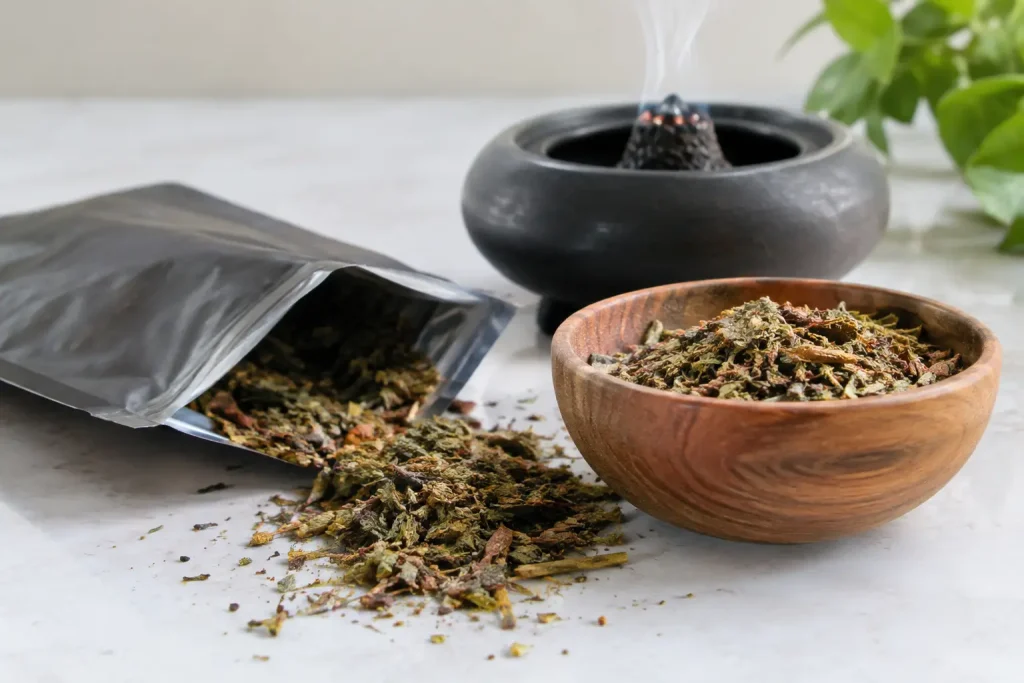
A package labeled herbal incense K2 may look straightforward, but the label often leaves out the information that matters most. These products are commonly associated with synthetic cannabinoids applied to plant material, and their contents, strength, and risks can vary sharply from one batch to another. Quality starts with clear facts, not bold packaging alone.
Herbal Incense K2 Is Not a Simple Category
The phrase “herbal incense” can be misleading. The dried plant material may be visible, but it is not necessarily the active ingredient. Products sold under labels such as K2, spice, potpourri, or liquid incense have historically been linked to lab-made compounds designed to affect cannabinoid receptors in the body.
That distinction matters because synthetic cannabinoids are not the same as cannabis. Their effects can be much stronger, less predictable, and more difficult to assess from a product name, color, scent, or package design. Two products with similar branding can contain entirely different chemical compounds, while the same product name can change in formulation over time.
A label saying “not for human consumption” does not establish that a product is harmless, legal, or consistently made. It is a label claim, not a safety guarantee.
Why Strength and Effects Can Vary So Much
With herbal incense K2 products, the active compounds may not be evenly distributed across the plant material. One portion can differ from another, even within the same package. Formulations may also change when suppliers substitute compounds in response to availability, legal restrictions, or manufacturing decisions.
This is why past experience is not a dependable predictor of a future reaction. A product that appears familiar may not have the same ingredients or concentration as a previous purchase. Names such as “premium,” “extra strong,” or “laboratory tested” are marketing language unless they are supported by current, batch-specific documentation that identifies what was tested and when.
Even then, a report has limits. It may not reflect the exact package in hand, the distribution of chemicals throughout the material, contaminants, or the health effects of a compound. No label can turn an unverified synthetic cannabinoid into a low-risk product.
Legal Status Is Not a Packaging Detail
K2-related products exist in a fast-changing legal environment. Federal, state, and local rules can differ, and specific synthetic cannabinoids may be scheduled, restricted, or controlled. A product’s name, intended-use statement, or “incense” classification does not override applicable law.
For adults evaluating any item in this category, legal status should be checked based on the exact compound and location, not assumed from an online listing. Retailers and distributors face an additional responsibility: inventory descriptions, storage, shipping, and sales practices can carry serious compliance consequences.
What a Responsible Safety Standard Looks Like
Trust-sensitive categories demand more than anonymous claims. A responsible standard means being skeptical of products that hide behind vague ingredient descriptions, recycled test reports, impossible delivery promises, or pressure to buy before asking basic questions.
Transparency should include clear product identification, honest limits on what is known, and no misleading health or safety claims. It should also mean recognizing when a product category carries risks that cannot be solved by attractive branding, discreet packaging, or a familiar name.
Privacy and secure ordering may matter to customers, but they should never replace informed decision-making. The most useful information is specific, current, and verifiable – not simply reassuring.
If Someone Has a Bad Reaction
Synthetic cannabinoid reactions can become urgent quickly. Warning signs include chest pain, severe agitation, confusion, hallucinations, vomiting, seizures, fainting, trouble breathing, or an unusually rapid heartbeat. Call 911 immediately for severe symptoms or suspected overdose.
Do not leave the person alone, do not encourage them to drive, and do not mix additional substances in an attempt to counteract the reaction. If possible, keep the package available so medical professionals can see any listed ingredients or product details. In the United States, Poison Control can also be reached at 1-800-222-1222 for immediate guidance.
The practical standard for herbal incense K2 is simple: treat vague labels and dramatic potency claims as reasons for caution, not reasons for confidence. When the contents cannot be reliably identified, protecting health and getting accurate information should come before any purchase decision.